
Billing & Coding Dry Eye Like a Pro (Without Getting Burned)

Peeq Pro · Blogs for Doctors
Dry Eye · Billing · Coding · Practice Systems
FAAO, Dipl. ABO · Eyecode Media · Peeq Pro Co-Founder
Dry Eye Billing & Coding at a Glance
Dry eye care requires more than the right clinical protocol. It also requires documentation, coding, billing, and patient communication systems that accurately reflect the care being provided.
Christopher Wolfe, OD breaks down a practical approach to dry eye billing and coding for optometrists, from identifying ocular surface disease during the comprehensive exam to the dedicated ocular surface disease evaluation, CPT and HCPCS codes, diagnostic testing, Medicare reimbursement, staff communication, and documentation.
If you’re serious about treating dry eye, you have to be just as serious about how you bill and code for it. Otherwise, you’ll end up doing what too many ODs do without realizing it: leaving money on the table, confusing your staff, or frustrating your patients.
Peeq Pro provides a unique set of workflows designed to help practices organize patient treatment and follow-through, but your office still has to bill and code appropriately for the services you provide.
Dry eye isn’t “just dryness.” It’s a chronic, progressive condition that deserves medically appropriate management and medically appropriate billing. If you want to bill confidently and compliantly, you need a system that supports both your clinical decision-making and your documentation.
Let’s break down how to do this step by step so you can get paid for the value you’re providing.
Step 1
Separate Dry Eye Identification From Medical Management
One of the most common mistakes I see? Doctors discover signs of dry eye during a comprehensive exam and immediately dive into full-blown treatment mode, then try to bill it medically on the same day.
That’s a fast track to denials, audit flags, and headaches.
Instead, use your comprehensive exam to identify and document, not to manage. During that visit:
- Record your findings, including staining, telangiectasia, meibomian gland dropout, and other relevant observations.
- Start conservative therapy with warm compresses, lid hygiene, and artificial tears.
- Document patient education and whether they began therapy.
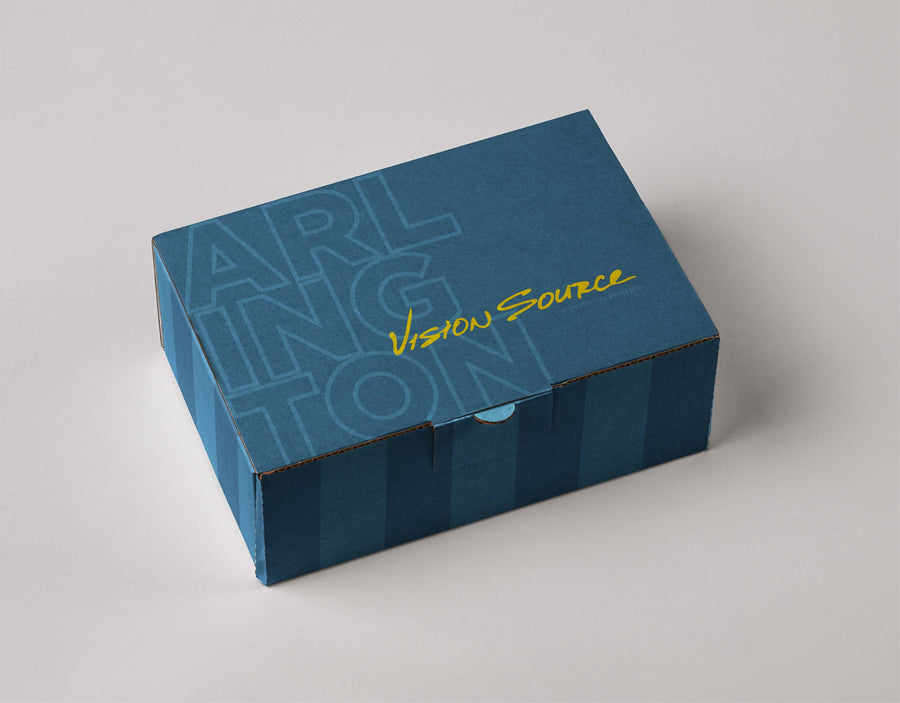
Put the Protocol in Their Hands
Build a Dry Eye Box for Your Practice
Give patients a simple way to leave with the at-home products you recommend. Start with the Peeq Pro Dry Eye Essential Box, or build a custom box around your practice’s own dry eye protocol.
That documentation does two key things:
- Justifies future medical management, such as prescription drops or in-office treatments.
- Sets you up for a dedicated follow-up: the ocular surface disease evaluation, or OSDE.
That OSDE visit is where your real diagnostic and billing muscle comes in.
Step 2
Dry Eye Billing & Coding at the OSDE Visit
At the OSDE, you’re doing more than observation. You’re managing a chronic condition.
Here’s how the coding usually breaks down:
When managing dry eye with Rx therapy or performing a procedure involving documented risk.
When recommending OTC options with low complexity.
An add-on code used when applicable to ongoing chronic-condition management.
99213 vs. 99214 for Dry Eye
The appropriate E/M code should reflect the level of medical decision-making and the care actually provided and documented during the visit.
G2211 for Ongoing Dry Eye Management
Don’t forget G2211. If you’re the primary clinician managing the patient’s ongoing dry eye care, this code may add reimbursement for the additional complexity involved in longitudinal management when its requirements are met.
Diagnostic Testing Codes Commonly Used in Dry Eye Care
- Meibography / External Ocular Photography — 92285
- Tear Osmolarity — 83861, per eye
- Tear MMP-9 — 83516, per eye
These tests aren’t mandatory for diagnosis, but when clinically appropriate, they can strengthen documentation and support medical necessity.
Step 3
Understanding Medicare Reimbursement for Dry Eye Care
Many people ask me about appropriate billing amounts. This is a tricky subject because practices have to remain mindful of compliance and cannot coordinate or fix prices.
One useful reference point is Medicare reimbursement. If you’re treating Medicare patients, understanding the Medicare fee schedule can help you understand how commonly used services are valued.
| Code | Description | Approx. Medicare Reimbursement (2025) |
|---|---|---|
| 99213 | Established patient, low complexity | ~$95 |
| 99214 | Established patient, moderate complexity | ~$140 |
| 92285 | External ocular photography / meibography | ~$45 |
| 83861 | Tear osmolarity, per eye | ~$20 per eye |
| 83516 | Tear MMP-9, per eye | ~$18 per eye |
| G2211 | Add-on for chronic management when applicable | ~$16 |
These figures reflect the approximate 2025 Medicare national averages referenced when this article was originally published. Actual reimbursement varies by geographic region, payer, fee schedule, documentation, and other factors. Practices should verify current reimbursement and coding requirements before billing.
When you combine services appropriately and document your rationale, you can bill for the true complexity of the dry eye care you are actually providing. That isn’t “gaming the system.” It is accurately representing chronic disease management.
Step 4
Billing Cash-Pay Dry Eye Patients
Here’s where some practices get tripped up. You can’t simply bundle dry eye services into a made-up package fee and call it a day. Even for cash-pay patients, compliance and transparency still matter.
- Use standard CPT/HCPCS codes.
- Provide a Good Faith Estimate when applicable before service.
- Maintain consistent and compliant fee policies.
If you’re in-network, bill insurance according to the payer agreement and applicable requirements.
For out-of-network or self-pay situations, provide patients clear information about charges and an itemized invoice when appropriate.
Transparency isn’t just good ethics. It also protects your practice and helps patients understand what they are paying for.
Step 5
Train Your Team for Dry Eye Billing & Patient Communication
Most dry eye billing issues don’t start in the exam lane. They start at the front desk.
Make sure your team knows how to:
- Explain why a patient is coming back for an OSDE.
- Differentiate covered versus non-covered services.
- Present cost expectations clearly.
Here’s a script that works well:
Front Desk Script
“Dr. Wolfe identified signs of ocular surface disease today and would like to bring you back for a dedicated evaluation. If your insurance covers the visit, we’ll bill them. If not, we’ll provide an estimate before your appointment so you can decide how you’d like to proceed.”
It’s not about selling. It’s about informed consent, expectations, and clarity.
Patients seeking help for ongoing dry eye symptoms need to understand both the care being recommended and the associated cost. Your team should be able to communicate both with confidence.
Step 6
Dry Eye Documentation: The Foundation of Successful Billing
If it’s not documented, it didn’t happen.
Every visit should include relevant documentation of:
- Step-one therapy initiation.
- Symptom history and relevant risk factors.
- Clinical findings.
- Patient education.
- Medical rationale for procedures, testing, or prescriptions.
Keep it specific, relevant, and timed correctly. Strong documentation supports both the clinical story and the billing decisions that follow.
The Takeaway
Good Dry Eye Care Needs a System Behind It
If you want to treat dry eye like the chronic disease it is and get reimbursed appropriately for the care you provide, build a repeatable process around both the clinical and business sides of care.
- Separate identification from medical management.
- Use appropriate codes such as 99213, 99214, 92285, 83861, 83516, and G2211 when supported by the services provided and documentation.
- Communicate transparently with cash-pay and insured patients.
- Train your staff to explain the dry eye care pathway.
- Document the clinical reasoning behind every service.
Dry eye care is incredibly rewarding. It is also part of running a sustainable practice, and your billing systems need to support the clinical work your team is doing.
Peeq Pro provides frameworks that can help practices organize those processes, but ultimately it is up to you and your team to document and bill appropriately for the services rendered.
If you’re ready to “bill like a pro,” start with your documentation. That’s where every successful claim begins.
The Part That Happens After the Exam
A Great Dry Eye Plan Only Works If Patients Actually Follow It.
You can nail the diagnosis, documentation, and billing, then still lose momentum the second your patient walks out the door. Peeq Pro helps practices turn the treatment plan into a repeatable patient journey with custom care boxes, at-home education, follow-up, and easier access to the products you actually recommend.
Dry Eye Billing & Coding FAQs
Common questions about coding, documentation, diagnostic testing, and dry eye management in optometric practice.
What CPT and HCPCS codes are commonly used in dry eye care?
Codes discussed in this article include 99213 and 99214 for established patient E/M services, 92285 for external ocular photography, 83861 for tear osmolarity, 83516 for applicable immunoassay testing such as tear MMP-9, and G2211 when its requirements for longitudinal care are met. Code selection should always reflect the service actually provided and documented.
What is the difference between 99213 and 99214 for dry eye?
In the framework discussed by Dr. Wolfe, 99213 may apply to lower-complexity management, while 99214 may apply when the documented medical decision-making supports a higher level of complexity, such as prescription management or procedures involving documented risk.
What is G2211 in dry eye management?
G2211 is an add-on code associated with the complexity of ongoing, longitudinal care when applicable. Dry eye practices should confirm current requirements and payer guidance before using it.
Can meibography be billed in dry eye care?
This article discusses 92285 in connection with external ocular photography and meibography. As with any diagnostic test, billing should be supported by medical necessity, the service performed, documentation, and current payer requirements.
How is tear osmolarity billed?
This article references CPT code 83861 for tear osmolarity, billed per eye when appropriate. Practices should verify current coding and payer requirements.
Why is documentation so important for dry eye billing?
Documentation connects the patient’s symptoms, clinical findings, medical decision-making, testing, treatment, and follow-up plan. It helps demonstrate why a service was medically appropriate and supports the code selected for the visit.
What is an ocular surface disease evaluation?
In Dr. Wolfe’s workflow, the ocular surface disease evaluation, or OSDE, is a dedicated follow-up visit after signs of dry eye have been identified and documented during the comprehensive exam. The OSDE allows the clinician to more fully evaluate and manage the chronic condition.